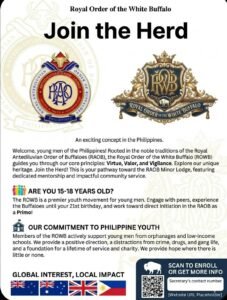
Introduction to the R.A.O.b Grand Lodge of England
The Royal Antediluvian Order of Buffaloes (R.A.O.B.) Grand Lodge of England (GLE) was established in April 1866 and serves as the preeminent governing body of the Royal Antediluvian Order of Buffaloes (RAOB). This organisation plays a critical role in overseeing the various lodges and their activities, ensuring that the principles and traditions of the RAOB are upheld across its network. The GLE is central to maintaining the integrity and operational framework of this fraternal order, which is committed to charitable work, fellowship, and the moral development of its members.
Headquartered in Harrogate, Yorkshire, the GLE is strategically positioned to facilitate its governance responsibilities and activities. The choice of Harrogate as the location for its headquarters reflects a commitment to maintaining a central hub for collaboration and administrative functions. This site enables the GLE to coordinate various initiatives and events that promote community engagement and uphold the values of the RAOB. Furthermore, the GLE’s presence in Yorkshire allows for greater accessibility for members from different regions, fostering an inclusive environment.
The establishment of the GLE was a significant milestone in defining the organisational structure of the RAOB. By creating a centralized authority, the GLE has been able to streamline operations, provide clearer guidelines for lodges, and strengthen the bonds among members. Its governance framework is designed to facilitate effective decision-making processes and encourage active participation within the order. As the supreme governing body, the GLE not only oversees the administrative aspects of the RAOB but also embodies its historical traditions and values, which are essential to the identity of the organization.
The Hierarchical Structure of the GLE
The Grand Lodge of England (GLE) operates within a well-defined hierarchical structure that ensures uniformity in practices among its numerous member lodges. At the pinnacle of this organizational framework sits the Grand Master, also known as the Grand Primo, who oversees the entire governance of the GLE. This esteemed position is typically filled by a distinguished member who has demonstrated substantial commitment and contribution to Freemasonry. The Grand Master is responsible for making significant decisions, guiding overall strategy, and setting the tone for the organisation’s values and objectives.
Beneath the Grand Master, the Grand Council plays a crucial advisory and administrative role. This council comprises appointed members who assist in the strategic planning and governance of the GLE. The members of the Grand Council are selected based on their experience, expertise, and commitment to advancing the principles of Freemasonry. They collaborate closely with the Grand Master to ensure that the GLE maintains cohesive operations across all lodges. The Grand Council also acts as a crucial link between the Grand Master and the provincial grand lodges, facilitating clear communication and streamlined decision-making processes.
The provincial grand lodges further extend the GLE’s governance structure, with delegates representing various regional lodges. Each provincial grand lodge operates under the jurisdiction of the Grand Lodge, ensuring that local practices align with the standards set forth at the national level. This decentralized structure allows for local variances while maintaining adherence to the overarching principles of the GLE. The delegates serve as vital conduits for information dissemination and uphold compliance with the GLE’s regulations, ensuring effective administration at every level of the organisation.
Provincial and International Governance
The Grand Lodge of England (GLE) operates through a structured system that includes provincial grand lodges across the United Kingdom. These provincial lodges play a crucial role in regional administration, overseeing the activities and adherence to the governing regulations set forth by the GLE. Each province encompasses a number of local lodges, which act as the foundational units where members engage in practices and uphold the principles of the Royal Antediluvian Order of Buffaloes (RAOB).
Provincial grand lodges are tasked with a variety of responsibilities, including the facilitation of communication between local lodges and the GLE, the organization of regional events, and the maintenance of compliance with the broader regulations. They ensure that each lodge operates effectively, fostering an environment where members can develop camaraderie while adhering to the objectives of the GLE. Moreover, provincial governance structures have the authority to address regional challenges and provide support to lodges in need, further solidifying their importance in maintaining the integrity of the order.
Internationally, autonomous grand lodges exist in various countries, each adapting the core values of the RAOB to fit their specific cultural and legal contexts. These equivalent bodies not only adhere to the essential tenets of the order but also tailor their practices to resonate with the local membership. Although these lodges maintain independence, they often foster relationships with the GLE, highlighting a shared commitment to the foundational principles of the RAOB.
The relationship between the GLE and international lodges is characterized by mutual support and respect for each entity’s governance structures. As local governance varies across different regions, the overall framework of the order remains intact, facilitating a cohesive global presence. This interconnectedness enhances the robustness of the RAOB while celebrating the diversity of experiences and practices embraced by its various branches worldwide.
Regulatory Framework and Historical Context
The Grand Lodge of England (GLE) has a historical and regulatory framework that has significantly influenced its governance and operational structure over the years. Established in the early 18th century, the GLE has evolved through various phases, adapting to the changing social landscape while maintaining its core traditions. The foundational regulations for establishing lodges are carefully delineated within the GLE’s constitutions and bylaws. These regulations dictate not only the requirements for starting a new lodge but also the procedures for mergers and collaborations with other Masonic bodies, creating a cohesive organizational ecosystem.
An essential aspect of the GLE’s regulatory framework is the process of issuing dispensations. These dispensations allow lodges to operate under unique circumstances, demonstrating the GLE’s flexibility to address contemporary needs while preserving its traditions. This adaptability is crucial for navigating challenges within the modern organizational landscape, such as dwindling membership and evolving societal values.
Historically, significant milestones have marked the governance of the GLE. The retention of the ‘Royal’ prefix is one such pivotal moment, showcasing the GLE’s royal recognition and its commitment to upholding high standards within Freemasonry. This historical context highlights how the GLE has balanced tradition with modernity, fostering a regulated environment that is responsive to contemporary expectations while honoring its rich heritage.
Overall, the GLE’s regulatory framework is a vital component of its governance model. It reflects a historical journey marked by significant events and decisions that have shaped its practices. As the GLE continues to evolve, it remains dedicated to maintaining its traditions while effectively addressing the challenges and opportunities of the contemporary world.